- December 16, 2025
- Michelle Dunbar
- 10:00 pm
The Best Materials for a Sustainable Home Extension
Creating a sustainable home extension is about more than just adding space – it’s about building for the future. Choosing the right materials early in the design stage can dramatically lower energy bills, reduce environmental impact and increase long-term value. At HomeExtensionsRUs, we guide Hertfordshire homeowners through these decisions to deliver extensions that are both beautiful and responsibly built.
Table of Contents
Why Material Choices Matter for Sustainability
Material decisions made during the design phase influence up to 80 % of your extension’s lifetime environmental impact. The right choices reduce embodied carbon (from production and transport), improve thermal performance and minimise ongoing energy use. A sustainable extension not only lowers your bills but also future-proofs your home against rising energy costs and stricter building regulations.
Key Principles of Sustainable Material Selection
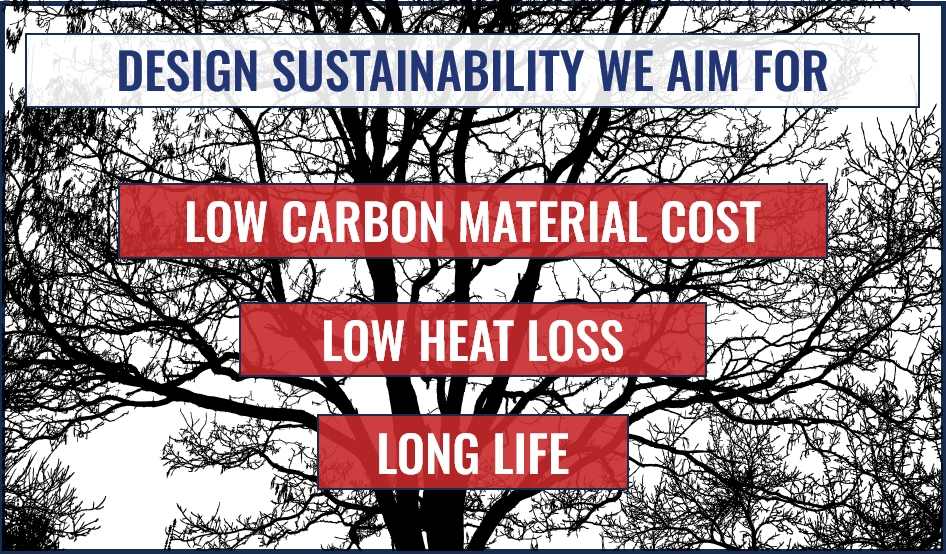
Successful sustainable design follows three core principles:
- Low embodied carbon – materials with minimal energy used in production
- High thermal performance – reducing heat loss and energy demand
- Durability and low maintenance – longer lifespan means less waste
Our home extension design service applies these principles from the earliest feasibility study, ensuring your material choices deliver real environmental benefits without unnecessary expense or compromising on aesthetics.
Best Insulation Materials for Energy Efficiency
Insulation is the single biggest opportunity to improve sustainability.
Top performers:
- Sheep’s wool – natural, breathable and excellent thermal performance
- Wood fibre boards – renewable with outstanding moisture regulation
- Recycled cellulose – made from newspapers, low embodied carbon
- Hemp insulation – fast-growing crop with good acoustic properties
These natural materials often outperform synthetic alternatives in both performance and environmental impact.
Thinking about extending your home? Get personalised expert advice
Eco-Friendly Structural and Framing Options
The structural frame sets the foundation for sustainability.
Recommended choices:
- Timber frame from FSC-certified sources – renewable and carbon-sequestering
- SIPS (Structural Insulated Panels) – factory-made for minimal waste and excellent airtightness
- Cross-laminated timber (CLT) – strong, renewable and increasingly popular for larger extensions
Avoid traditional concrete blockwork where possible due to high embodied carbon.
Sustainable Cladding and External Finishes
External finishes protect your extension while defining its look.
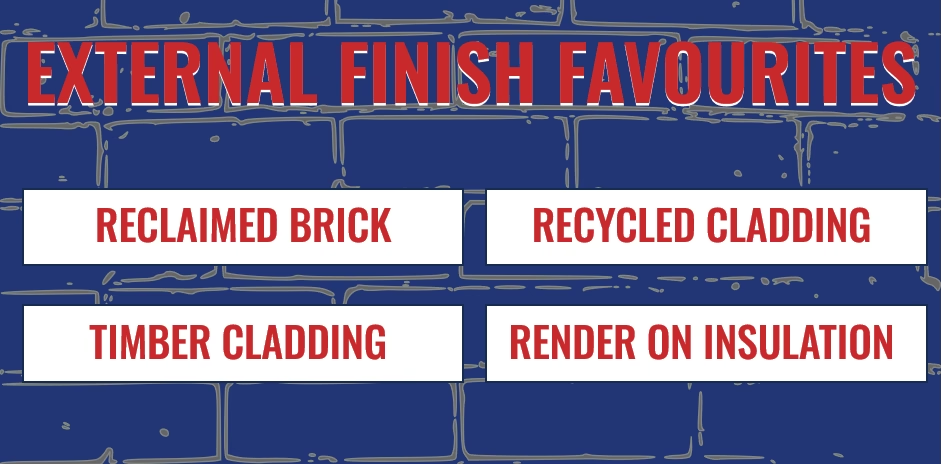
Sustainable favourites:
- Reclaimed brick – character with zero new production impact
- Timber cladding from certified sustainable sources (cedar, larch)
- Recycled composite cladding – durable and low-maintenance
- Render on insulation systems for maximum thermal performance
Material choice should also respect your property’s context. Our Hemel Hempstead home extension projects work with diverse architectural styles—from post-war estates to Victorian terraces—so we match sustainable materials to the existing streetscape, ensuring your extension enhances rather than disrupts the neighbourhood character.
High-Performance Windows and Doors
Windows are critical for both energy efficiency and natural light.
Best sustainable options:
- Triple glazing with argon fill and warm-edge spacers
- Timber or aluminium-clad timber frames – long lifespan and recyclable
- uPVC from recycled sources – cost-effective and durable
Look for U-values below 1.2 for excellent performance.
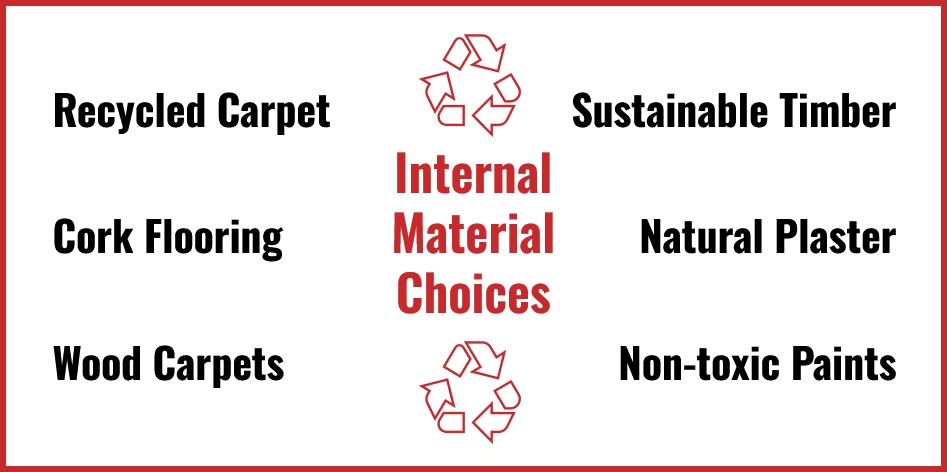
Low-Impact Flooring and Internal Finishes
Internal materials affect both health and environmental footprint.
Recommended choices:
- Engineered timber from sustainable sources
- Cork flooring – renewable and excellent thermal/acoustic properties
- Recycled carpet tiles or natural wool carpets
- Low-VOC paints and natural plaster finishes
Want to make the best sustainable decisions for your home? Get sustainable construction advice
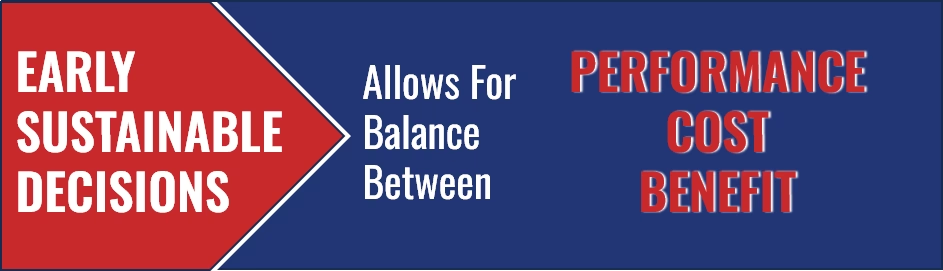
Balancing Cost, Performance and Environmental Impact
Sustainable materials don’t always cost more – many deliver long-term savings that offset initial investment. Early design decisions allow value engineering to find the sweet spot between performance, cost and environmental benefit.
Checklist: Plan Your Sustainable Extension Materials
- Prioritise low embodied carbon materials
- Target excellent U-values and airtightness
- Choose renewable or recycled where possible
- Consider whole-life cost, not just upfront price
- Work with designers experienced in sustainable construction
Expert Insights
- “Natural insulation materials often outperform synthetic ones in real-world moisture management.”
- “Timber frame extensions can achieve Passivhaus standards without excessive cost.”
- “Sustainable choices made early rarely add more than 5–10 % to total budget but save far more over time.”
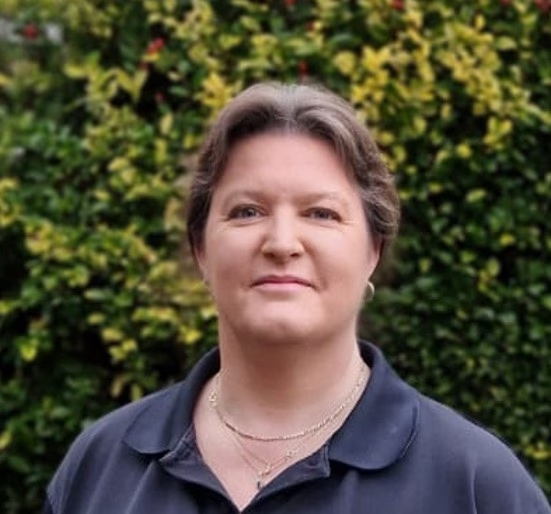
Michelle Dunbar (Director & Senior Project Manager)
Michelle oversees the day-to-day operations, manages client relationships, and ensures each project is delivered to a consistent, professional standard.
Plan your home extension budget confidently – discover hidden costs, early savings….read more
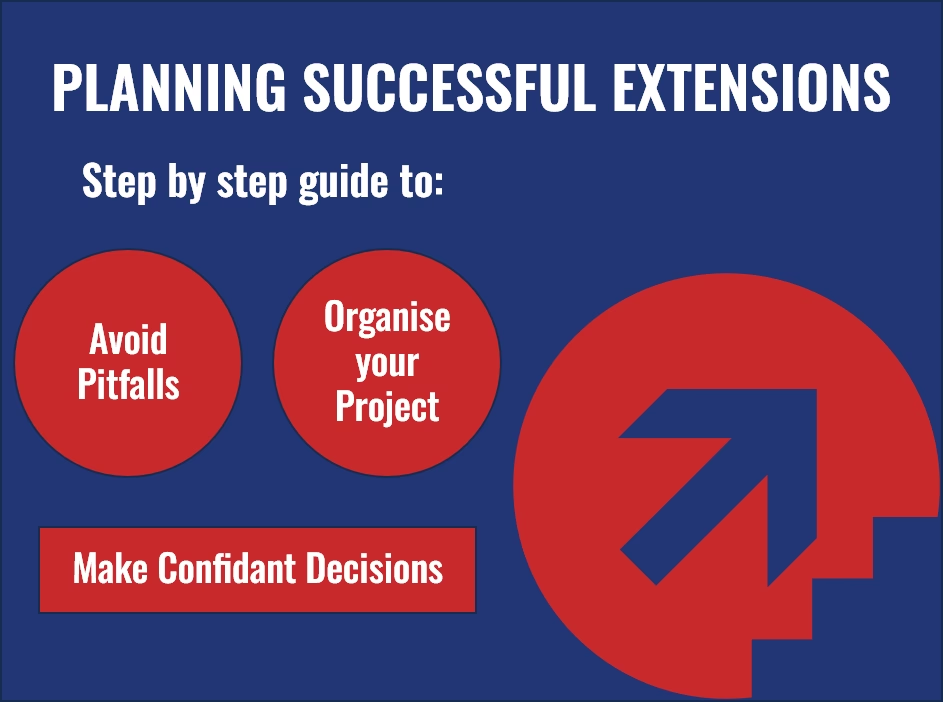
Discover what makes a home extension successful – from early planning and design coordination to build….read more
Frequently Asked Questions
Are sustainable materials for home extensions much more expensive than standard ones?
Many sustainable options have similar upfront costs to conventional materials, and some – like recycled insulation – can even be cheaper. The real saving comes from lower energy bills and longer lifespan, often paying back the investment within 5-10 years.
What are the most cost-effective sustainable materials for home extensions in the UK?
Recycled cellulose insulation and FSC-certified timber frames offer excellent value, reducing energy bills by up to 30% while keeping upfront costs similar to conventional options. In Hertfordshire, these materials also help meet local council sustainability requirements.
Will using eco-friendly materials help with planning permission in Hertfordshire?
Councils increasingly favour sustainable designs, especially in Green Belt or conservation areas. Well-chosen low-carbon materials and energy-efficient features can strengthen your application and sometimes speed up approval.
Are there grants for using sustainable materials in Hertfordshire extensions?
Yes, schemes like the Green Homes Grant or local council incentives often cover insulation and renewable materials. Early feasibility checks can identify eligibility, potentially saving thousands on your project.
How much difference do sustainable materials make to energy bills?
High-performance insulation, triple glazing and airtight construction can reduce heating costs by 30-50 % compared to standard builds. Many of our clients see their extension become the most energy-efficient part of the house.
Are natural insulation materials like sheep’s wool as effective as man-made ones?
Yes – and often better. Natural materials like sheep’s wool and wood fibre provide excellent thermal performance, superior moisture regulation and better indoor air quality, with comparable or lower embodied carbon.
How do I know if a material is truly sustainable or just marketed as ‘green’?
Look for credible certifications (FSC timber, EPDs, Cradle to Cradle) and whole-life impact data. We guide you through verified options and avoid greenwashed products, ensuring genuine environmental benefit.
How do sustainable materials impact home extension resale value?
Energy-efficient materials like triple glazing and wood fibre insulation can increase property value by 5-10%, as buyers seek lower running costs and eco-friendly features. Certifications like EPDs add proof of sustainability for better market appeal.
Request a Free Consultation
Home Extension Design
Turning ideas into plans that work
Council Planning Approval
Navigating applications with 100% success
Build Project Management
Delivering every detail to completion