- November 24, 2025
- Michelle Dunbar
- 9:40 pm
How to Plan Your Home Extension Step by Step
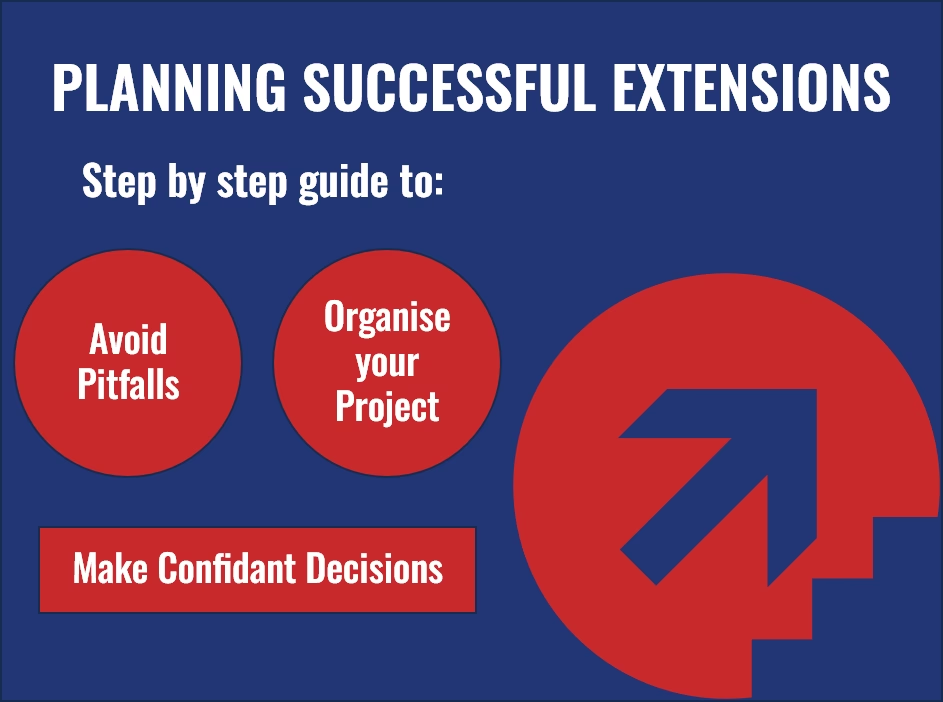
Planning a home extension is exciting – but without the right structure, it can quickly become overwhelming and expensive. This step-by-step guide shows you exactly how to organise your project, avoid common pitfalls, and make confident decisions from day one.
Table of Contents
Understand Your Vision
Every successful extension begins with a clear and well-defined vision. Think about how you want to live in your home over the next 5-10 years. Consider whether you need more space for family life, working from home, or improving the home’s flow.
A useful exercise is writing down your ideal outcomes: more natural light, an open-plan layout, better connection to the garden, improved energy efficiency, or increased property value. The clearer your vision, the smoother the design stage becomes – and having a complete home extension service supporting you from vision through to completion means nothing gets lost in translation between specialists.
Set a Realistic Budget
Budgeting is often the hardest part—which is why it’s important to approach it with both ambition and realism.
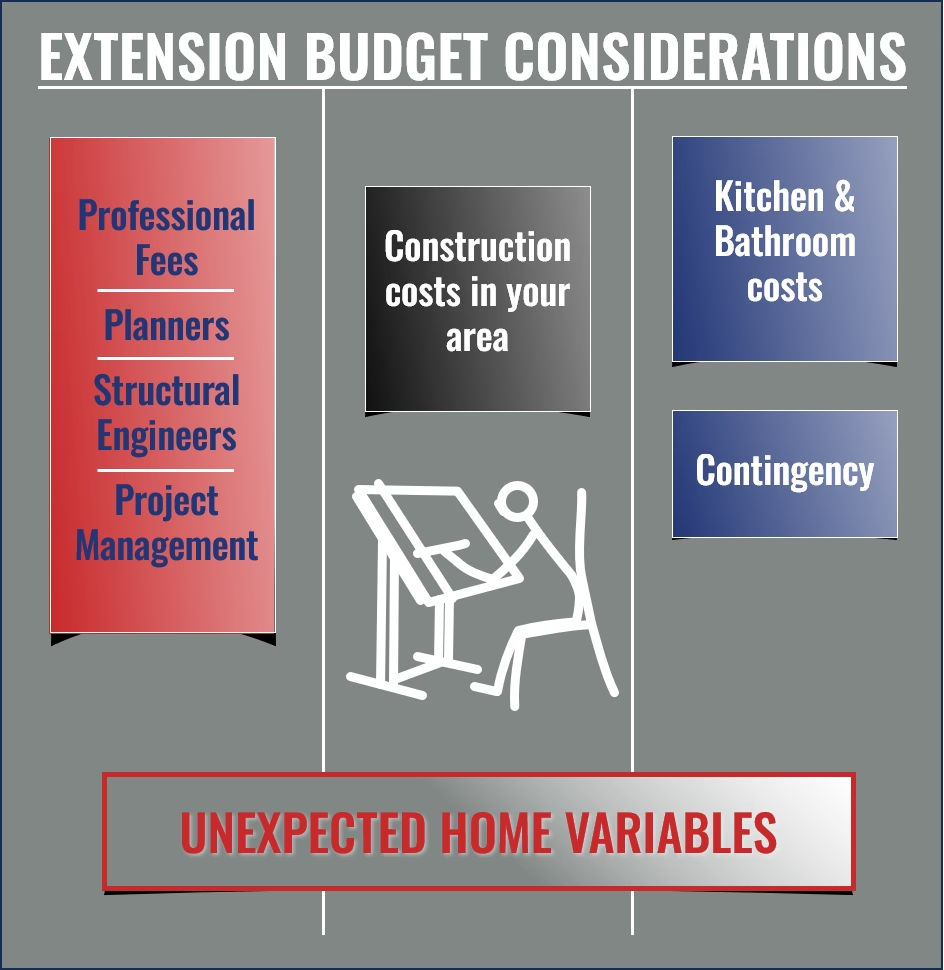
Consider the following factors:
• Construction cost ranges for Hertfordshire
• Professional fees (architect, structural engineer, project management)
• Planning or permitted development considerations
• Kitchen and bathroom costs if included
• Contingency for unforeseen issues
Critical though: there may be variables at your home that significantly impact on your plan and budget. That is why it is so important to get a professional consultation on your vision as soon as possible to set expectations that match your vision.
Check Planning Permission Requirements
Whether you need full planning permission or qualify under permitted development depends on the size, type, and position of your extension. This can influence timelines significantly.
Simple guidance:
• Extensions projecting beyond certain limits need planning
• Two-storey extensions require permission
• Extensions facing highways are often restricted
• Conservation areas add extra controls
Getting clarity early avoids delays later.
Thinking about extending your home? Get personalised expert advice
Consider Building Regulations
Building Regulations apply to almost every extension, even when planning permission doesn’t.
They ensure structural stability, fire safety, drainage, ventilation, insulation standards, and accessibility requirements. Your designer or builder must work to these standards, and a Building Control Officer will check compliance throughout the build.
Failing to follow Building Regulations can stop a build or cause expensive remedial work—so this is a key step in planning.
Create a Strong Design Brief
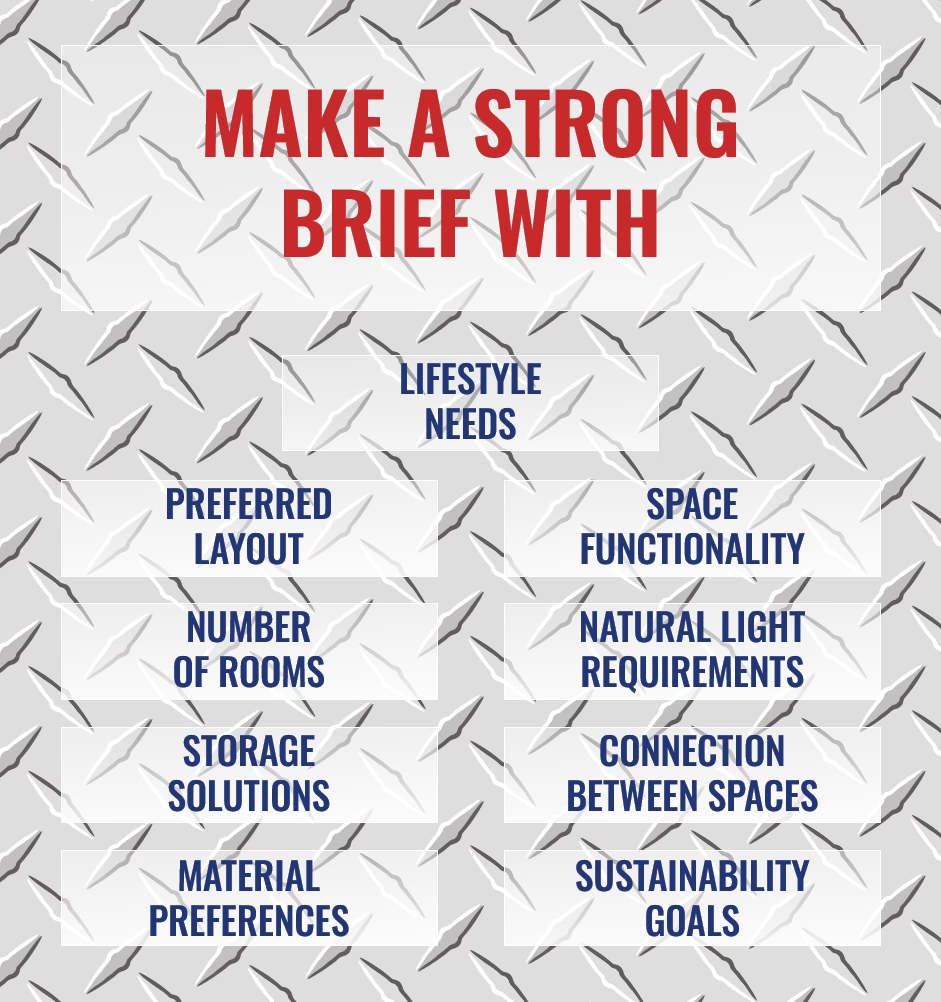
A well-formed design brief saves time, reduces revisions, and ensures the professional team delivers exactly what you need.
Your brief should include:
• Lifestyle needs
• Preferred layout
• Space functionality
• Number of rooms
• Natural light requirements
• Storage solutions
• Connection between spaces
• Material preferences
• Sustainability goals
The stronger your brief, the more successful your design outcomes.
Choose the Right Professionals
Home extensions are complex projects and almost always require more than a single specialist.
Typical professionals include:
• Architectural designer
• Structural engineer
• Party wall surveyor
• Project manager or consultant
• Builder with local experience
Look for professionals with strong local knowledge, especially for Hertfordshire planning policies. Ask for examples of similar projects and clear cost structures.
Conduct Site Constraints Analysis
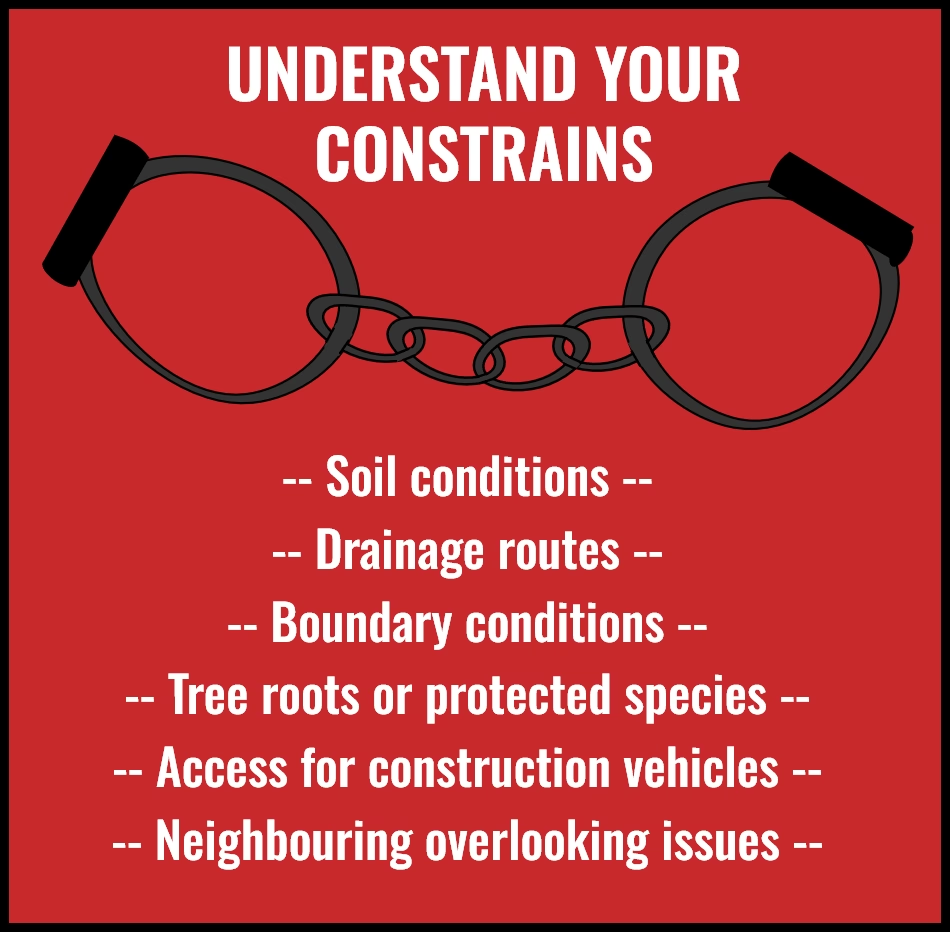
Every home has constraints, and understanding them early prevents design revisions later.
Common constraints:
• Drainage routes
• Soil conditions
• Access for construction vehicles
• Tree roots or protected species
• Neighbouring overlooking issues
• Boundary conditions
This stage informs the feasibility of your project and ensures your budget is grounded in reality.
Plan Services and Utilities Early
Many homeowners overlook utilities, yet they can impact both cost and design.
Key considerations:
• Boiler capacity for increased heating load
• Hot water demand
• Electrical upgrades
• Ventilation routes
• Drainage connection points
• Underfloor heating feasibility
Planning these early prevents unexpected costs later.
Build a Realistic Timeline
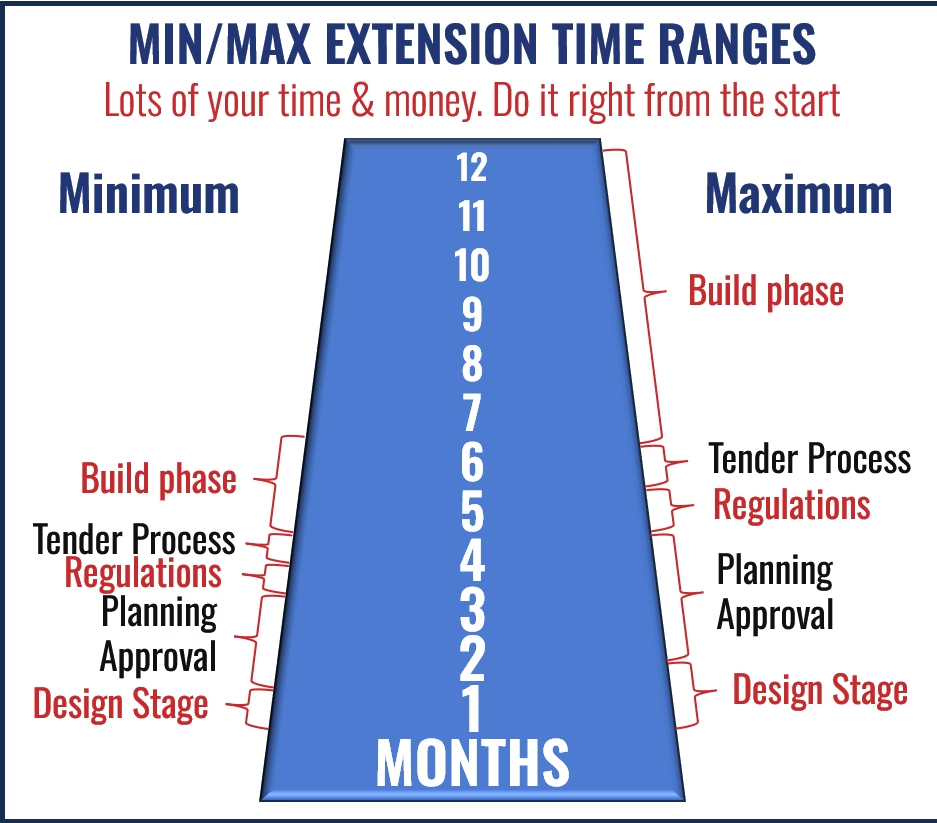
Extension timelines vary depending on complexity, planning routes, and structural requirements. Our home extension design service typically takes 3–6 weeks, followed by planning approval, Building Regulations drawings, and construction phases.
Typical timeline outline:
• Home Extension Design stage: 3–6 weeks
• Planning approval (if needed): 8–10 weeks
• Building Regulations drawings: 2–4 weeks
• Tender process: 2–3 weeks
• Build phase: 10–20+ weeks depending on scope
Be aware that rushing any single stage increases the likelihood of delays during construction.

Work With Professionals Early
Getting professional guidance at the very beginning prevents unnecessary rework and cost later. It creates alignment between design, budget, planning requirements, and structural feasibility.
This is also the right time to ask questions, validate your vision, and ensure the project is viable before committing financially.
For clarity at this stage, consider booking a free consultation to review your vision and identify early constraints that could impact cost or design.
Home Extension Planning Checklist
Use this as a quick reference as you plan your extension:
☐ Define your vision clearly
☐ Establish a realistic and flexible budget
☐ Check planning requirements early
☐ Understand Building Regulations
☐ Prepare a clear design brief
☐ Choose experienced professionals
☐ Assess site constraints
☐ Plan utilities and services early
☐ Build a logical timeline
☐ Validate the design before committing

Plan your home extension budget confidently – discover hidden costs, early savings….read more

What happens during the build phase of your home extension? Clear timelines, key stages and coordination….read more

Discover what makes a home extension successful – from early planning and design coordination to build….read more
Frequently Asked Questions
How much does a typical home extension cost in Hertfordshire?
Often no – many projects fall under Permitted Development. But conservation areas and larger extensions require full planning.
What adds the most value to my home?
Costs vary widely, but most homeowners should expect a range depending on size, complexity, and finish level.
Do I need planning permission or will permitted development apply?
That depends on the extension’s size and location. Many single-storey extensions may fall under permitted development.
How long should I expect the process to take from idea to completion?
Anywhere from 6–12 months depending on design time, approvals, and the build schedule.
When should I speak to a professional?
As early as possible. Early advice prevents costly mistakes.
Request a Free Consultation
Ready to turn your extension idea into a clear, achievable plan?
Book your free consultation today and get expert guidance tailored to your home and objectives.
Home Extension Design
Turning ideas into plans that work
Council Planning Approval
Navigating applications with 100% success
Build Project Management
Delivering every detail to completion

Closing Thoughts
Planning a home extension step by step removes uncertainty and gives you full control over your project. With the right approach, expert guidance and a strong design, your extension can transform how your home works for you – today and for years to come.
Michelle Dunbar (Director & Senior Project Manager)
Michelle oversees the day-to-day operations, manages client relationships, and ensures each project is delivered to a consistent, professional standard.